
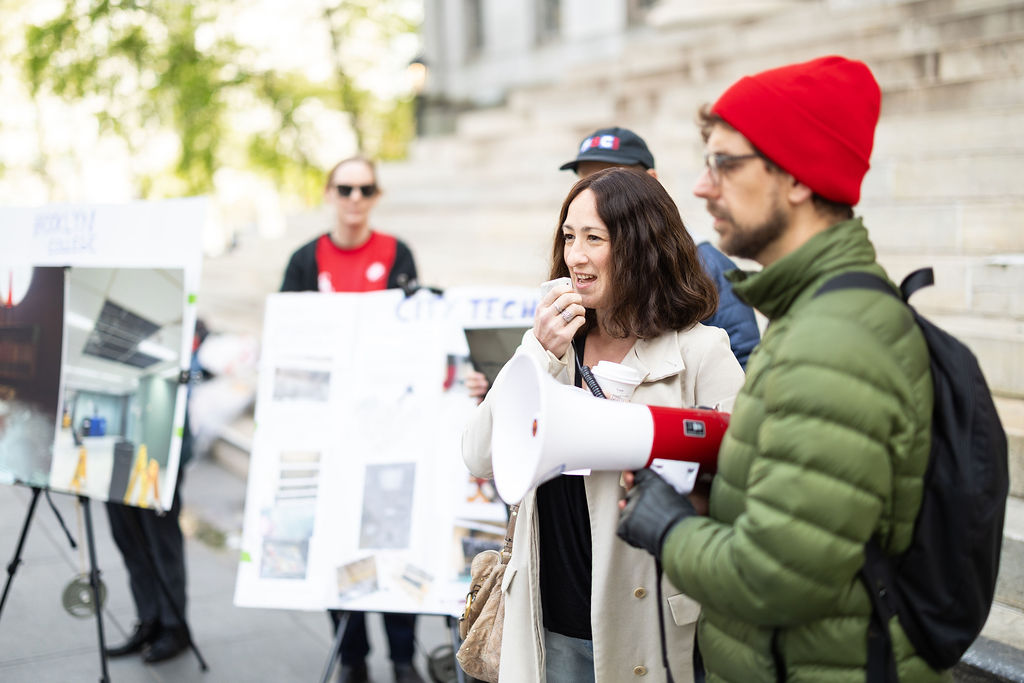
Yana Kuchirko of Brooklyn College spoke about burst pipes, flooding and low morale (Credit: Paul Frangipane).
Carole Harris, the PSC chapter chair at City Tech, might as well have been reading from the Book of Exodus. “Leaks, flood, mold, falling ceiling tiles.” The list kept going. “Rat feces” and other evidence of rodent infestation. Silica dust, too. But these are not the plagues visited upon the Pharaoh, these are the everyday working and learning conditions for faculty, staff and students at CUNY campuses in Brooklyn.
Dozens of PSC members from all four Brooklyn CUNY colleges–Brooklyn College, City Tech, Medgar Evers College and Kingsborough Community College–gathered with local elected officials at Brooklyn Borough Hall April 22 to sound an alarm about this “state of emergency” at their campuses. The message to CUNY leadership: “This has got to change,” Harris said.
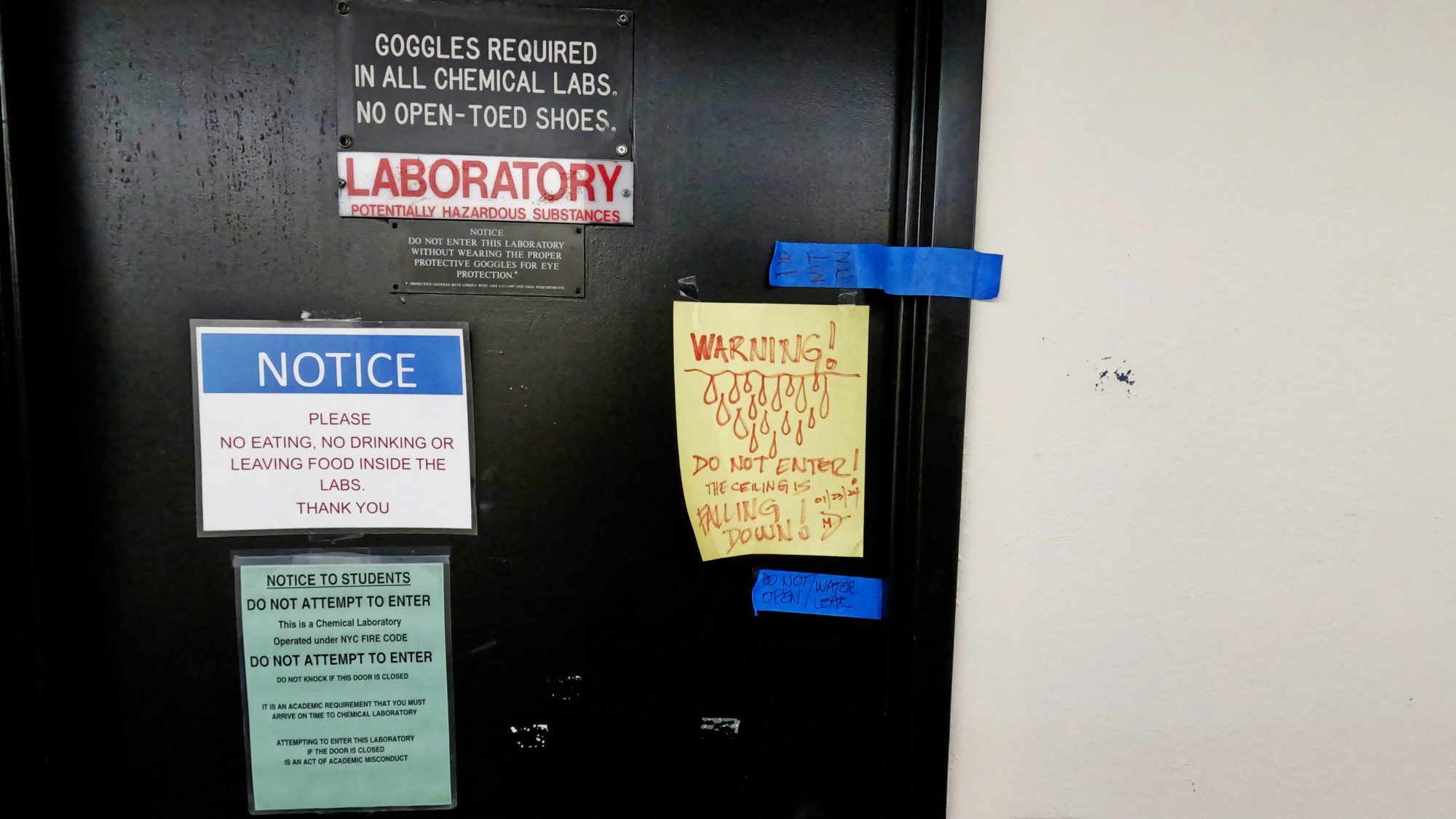
Health and Safety issues at Kingsborough CC
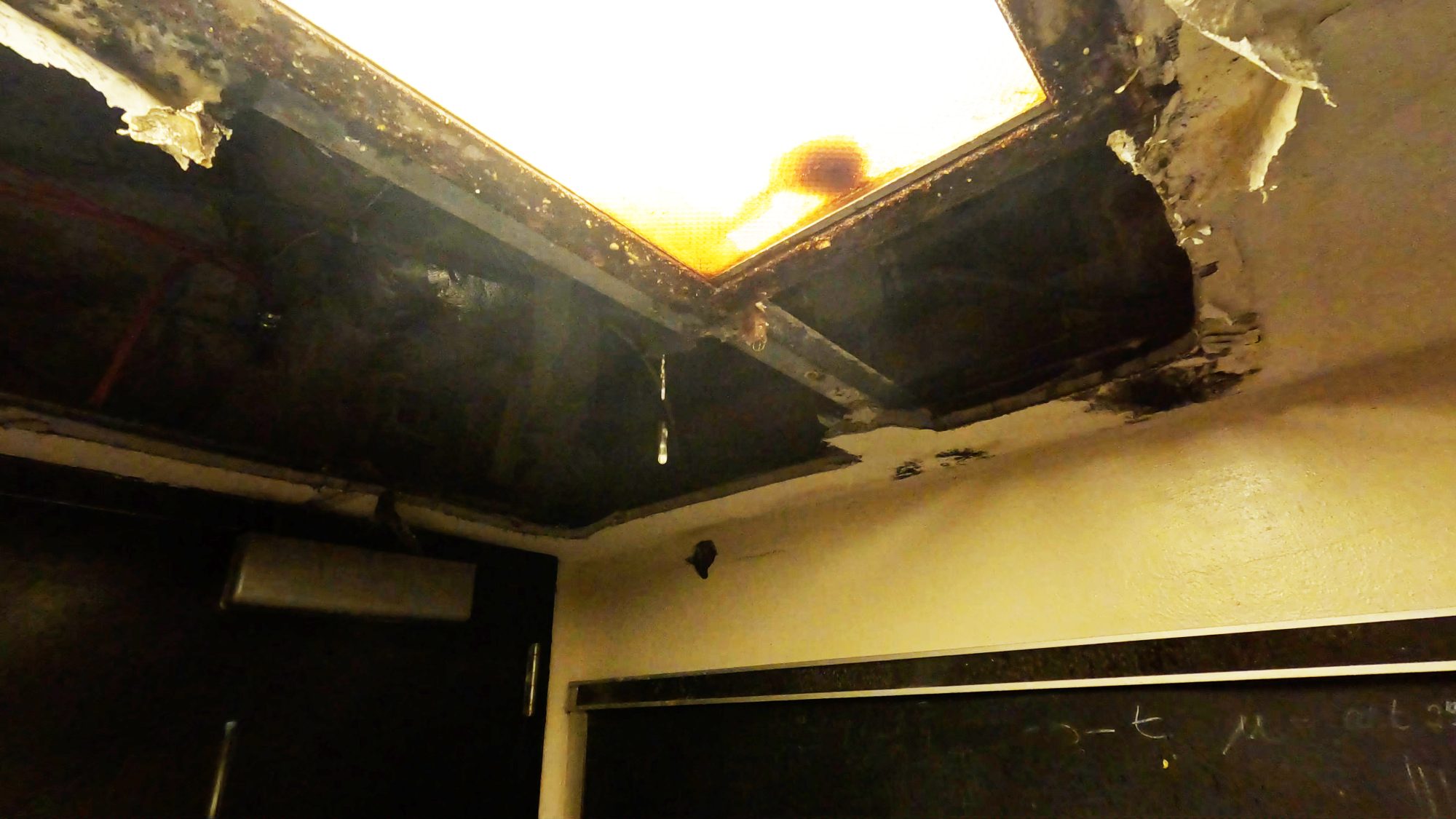
Health and Safety issues at Kingsborough CC
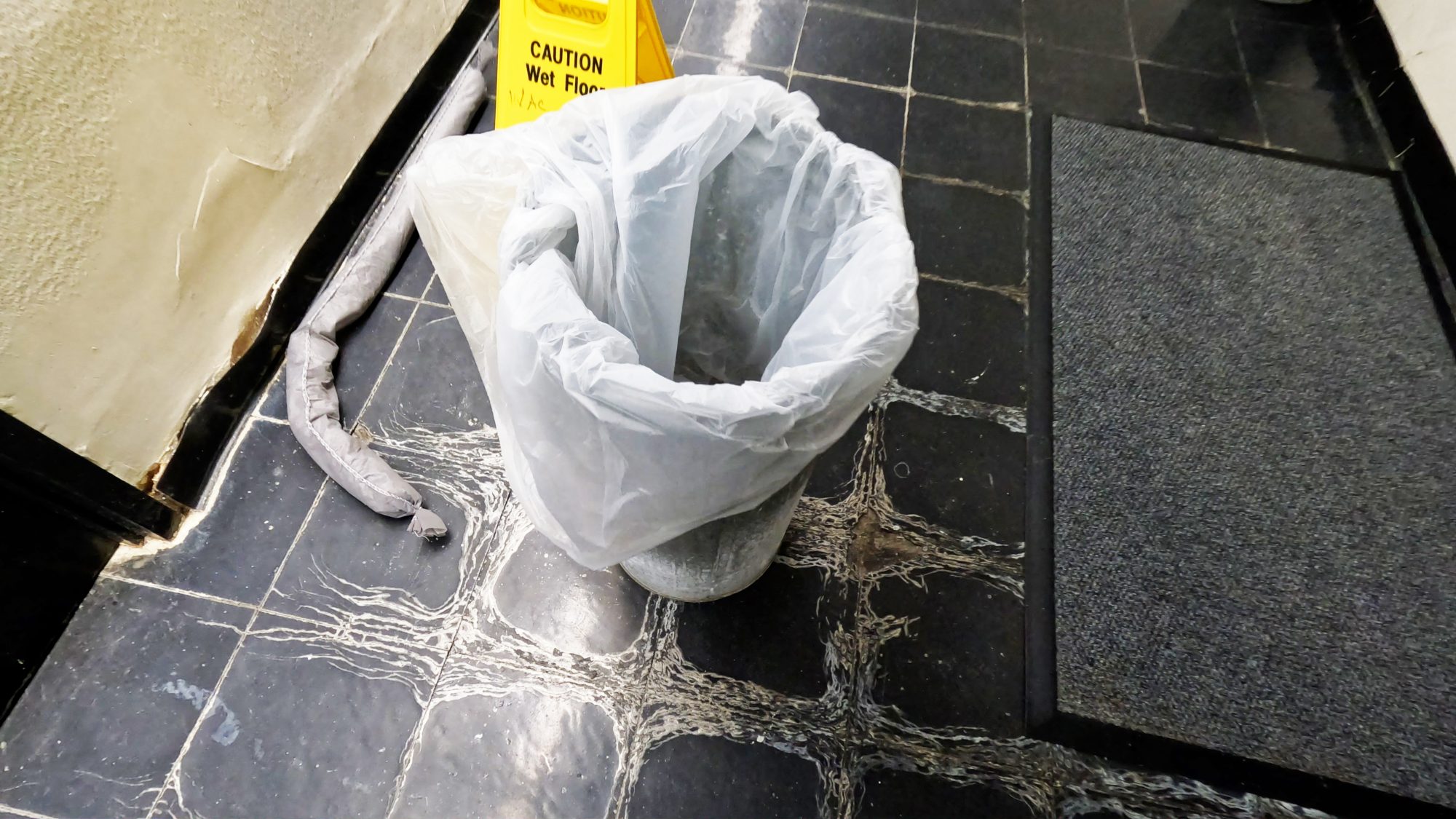
Health and Safety issues at Kingsborough CC
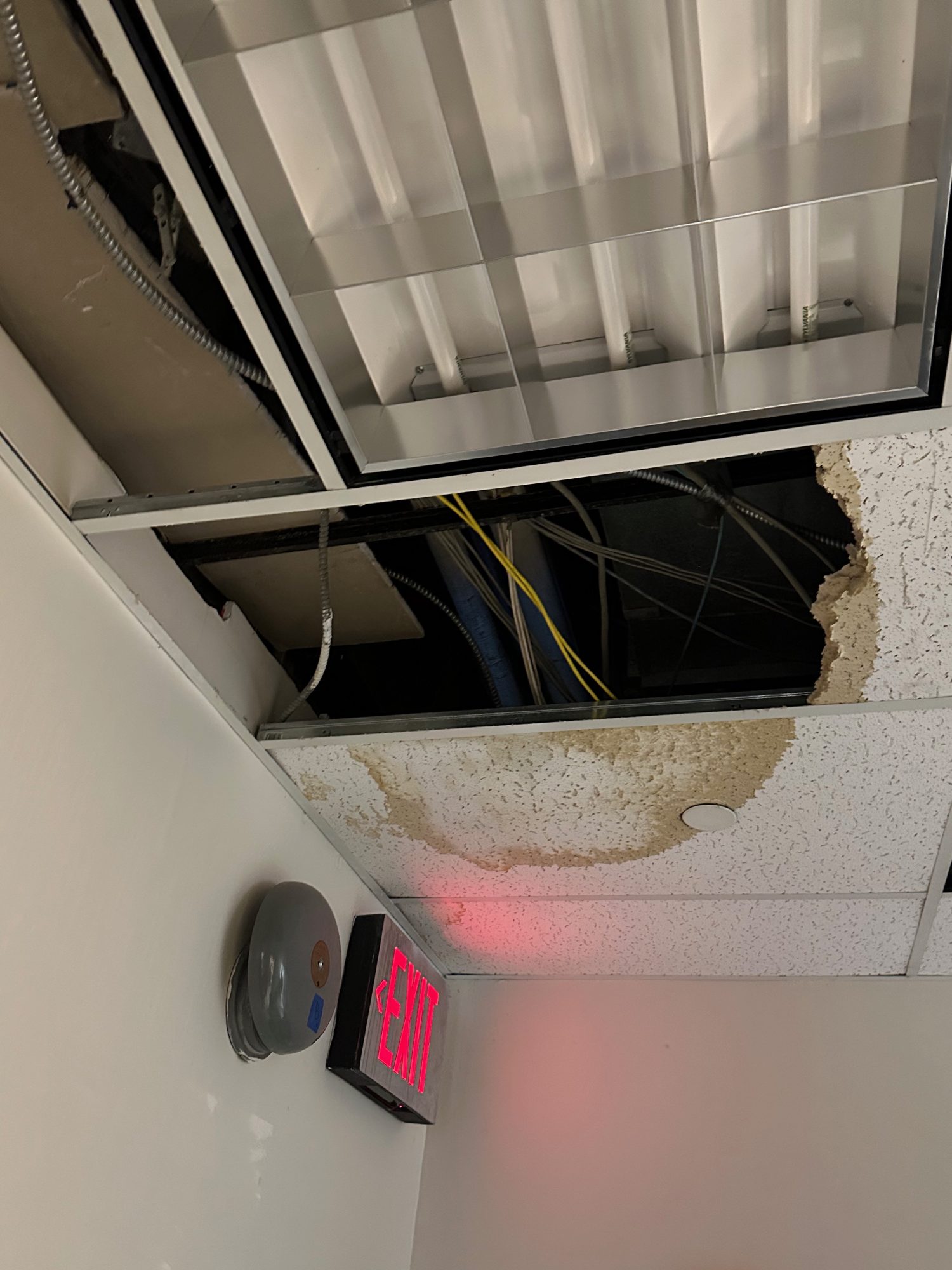
Health and Safety issues at City Tech
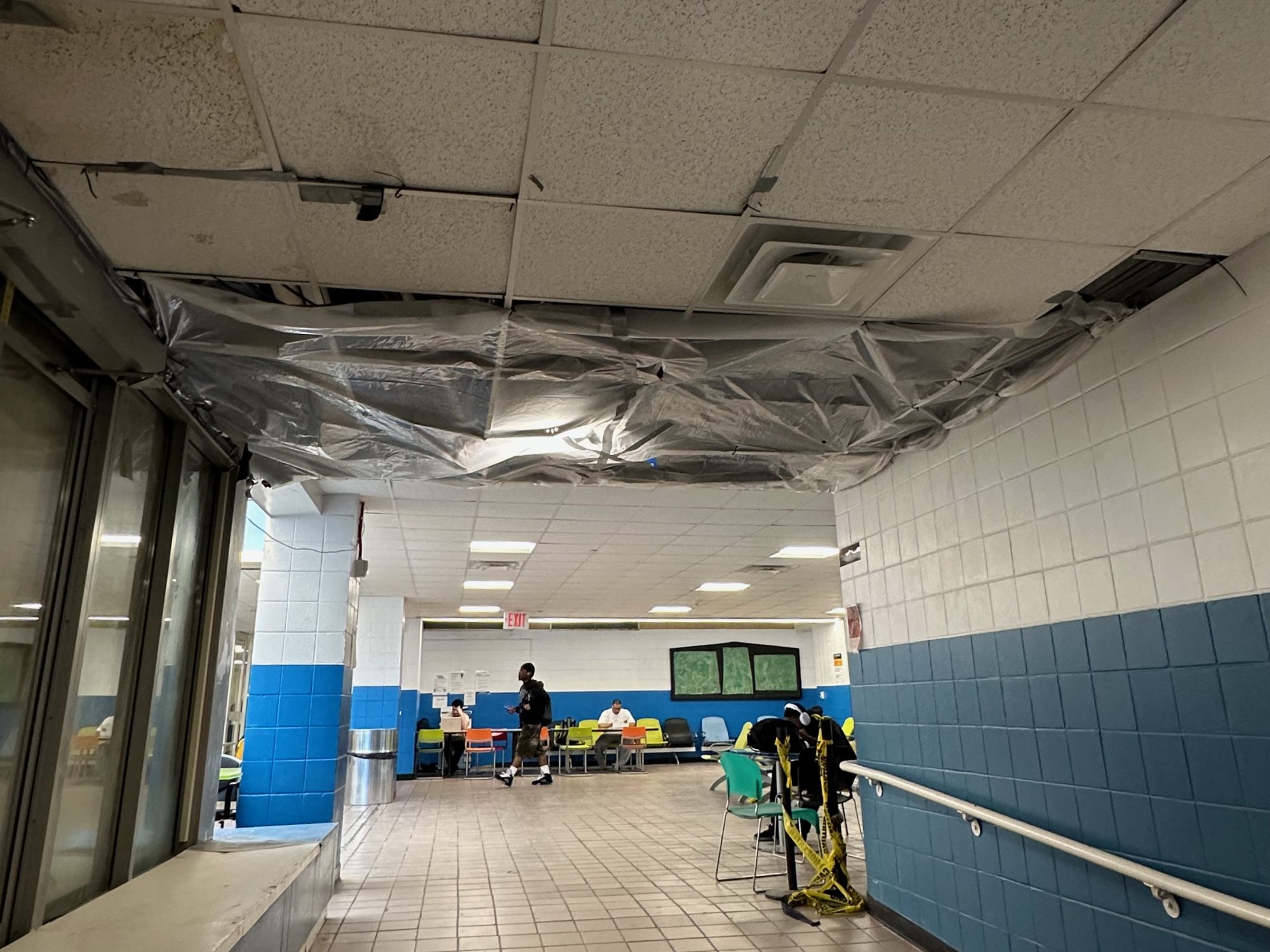
Health and Safety issues at City Tech
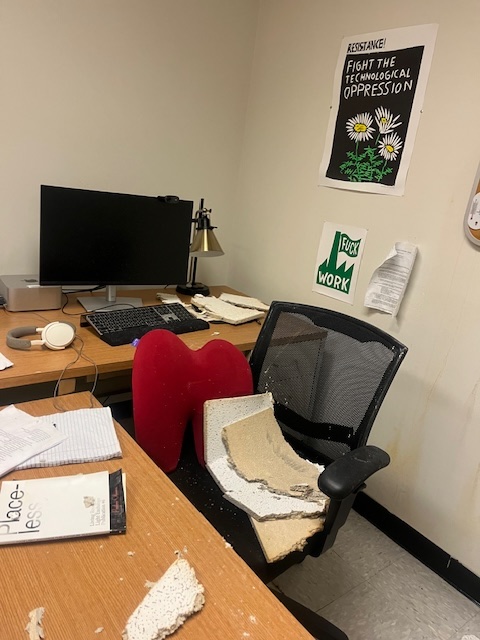
Health and Safety issues at City Tech
Health and Safety issues at City Tech
Health and Safety issues at City Tech
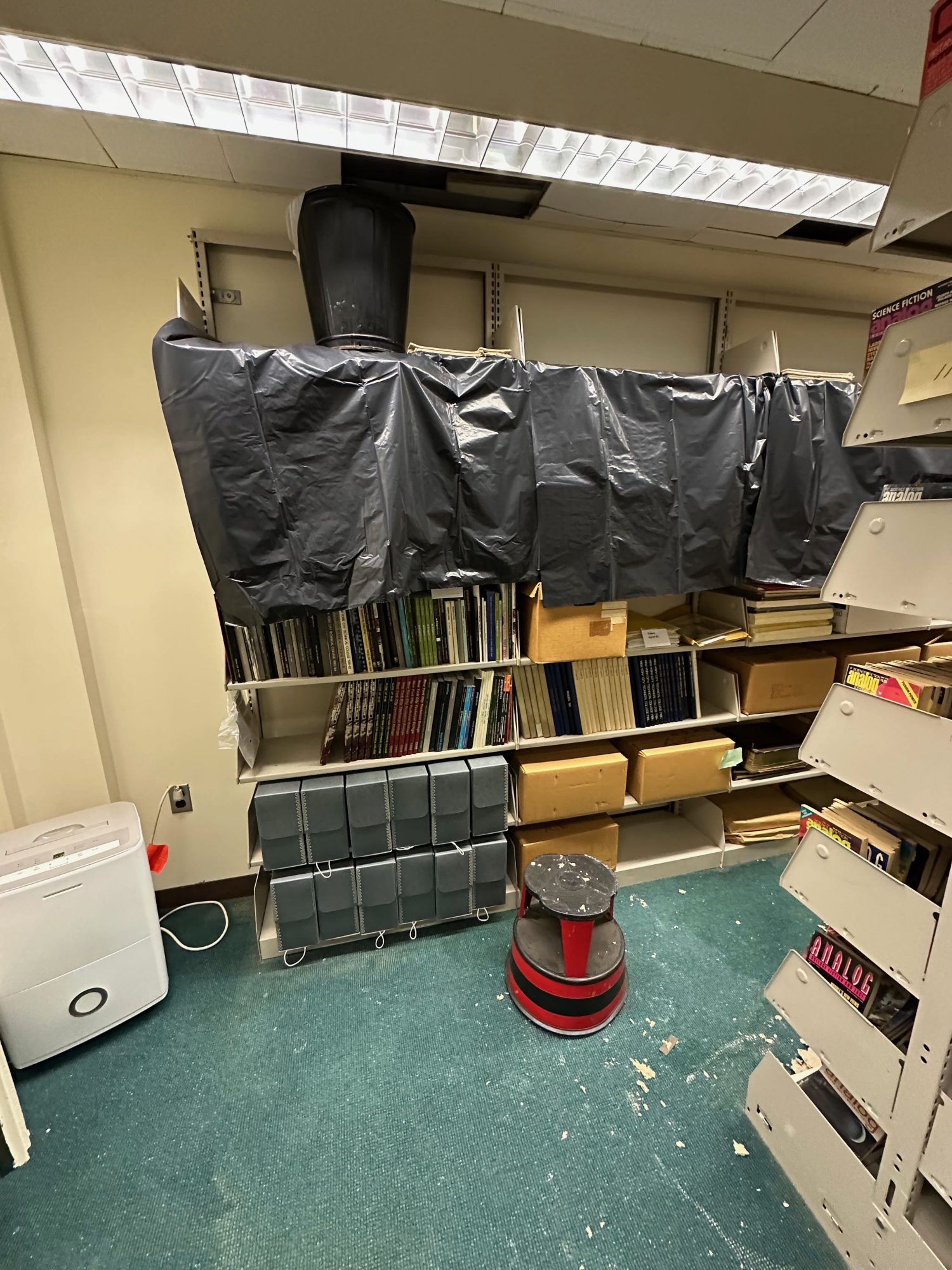
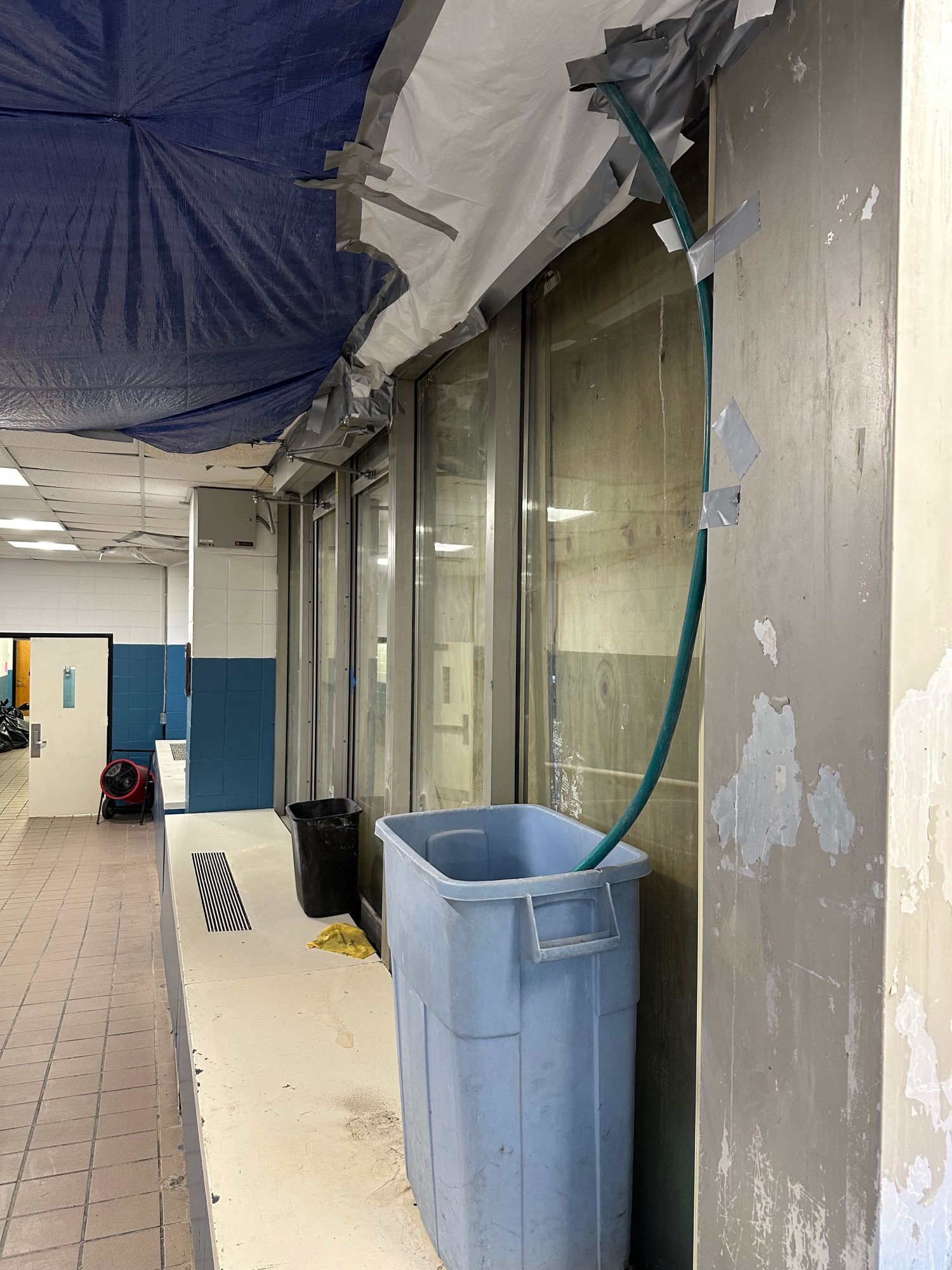
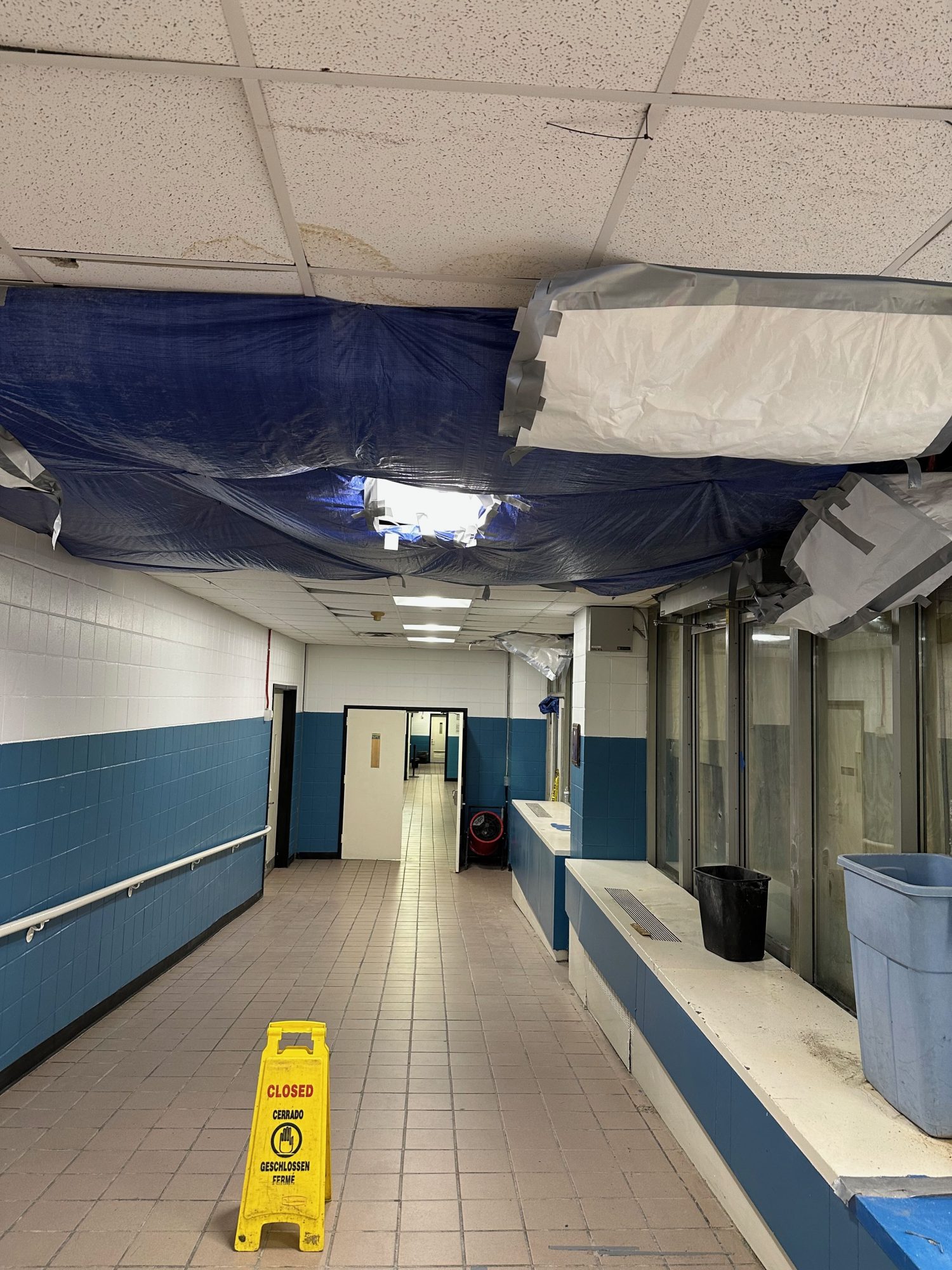
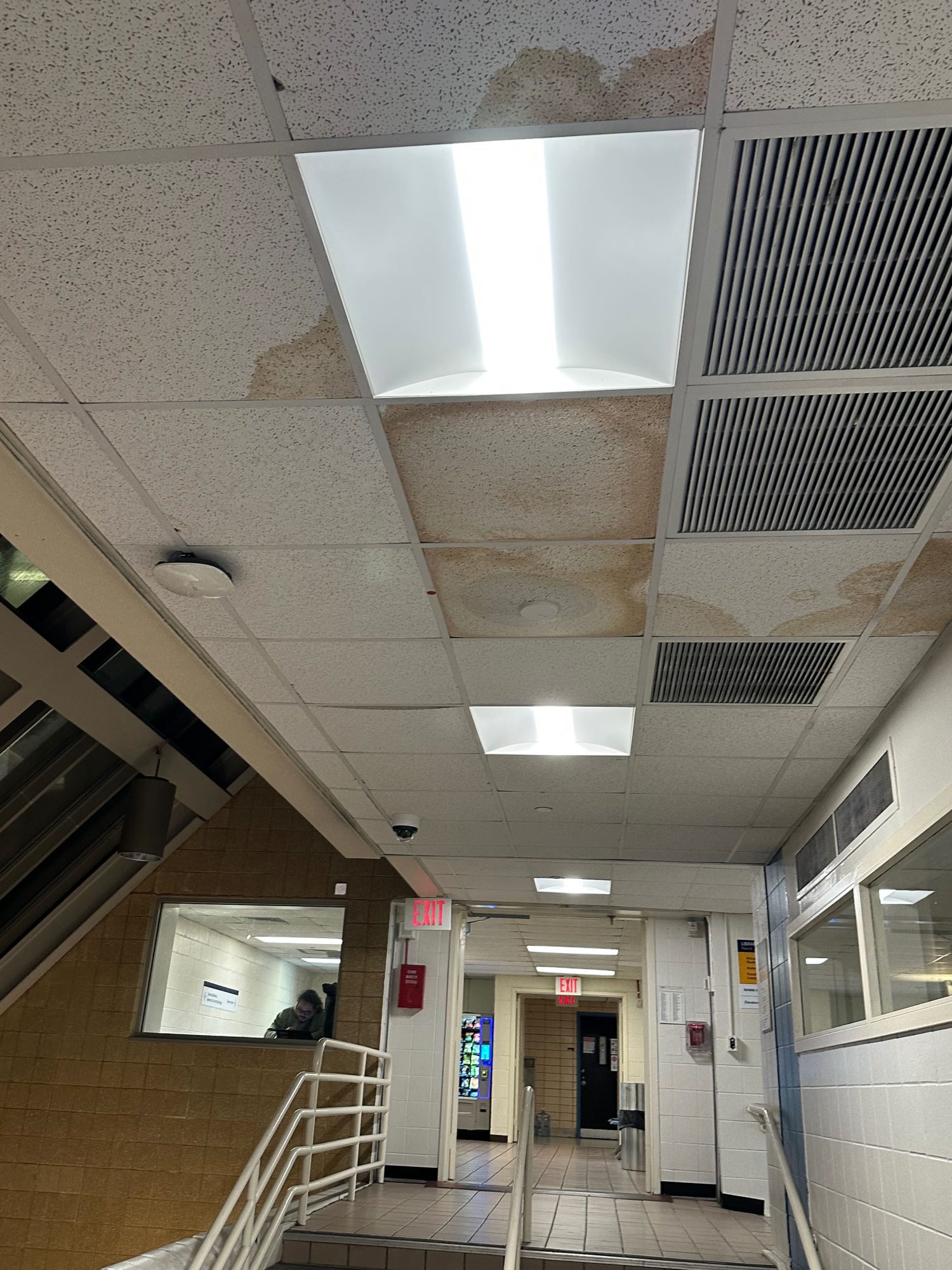
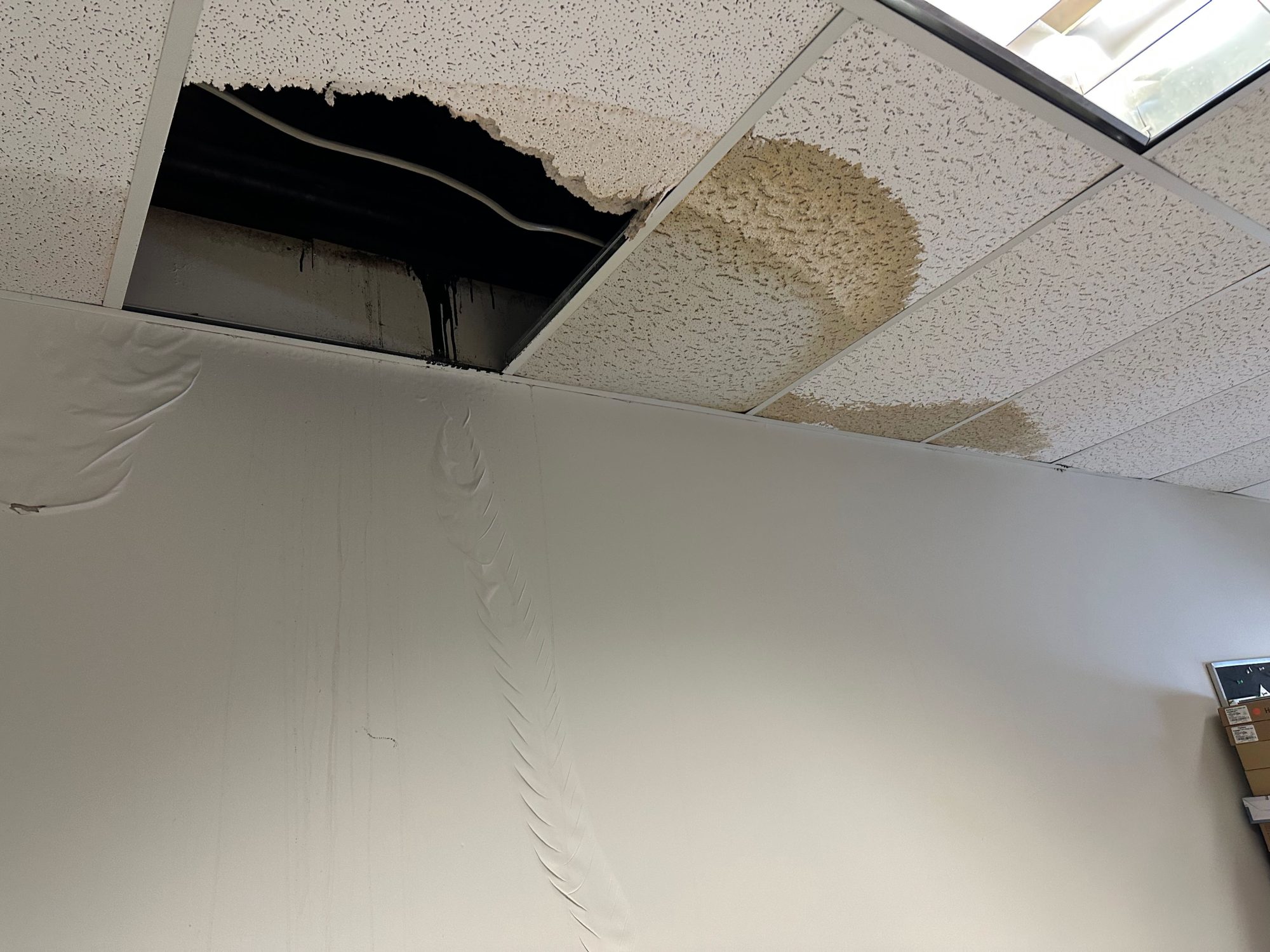
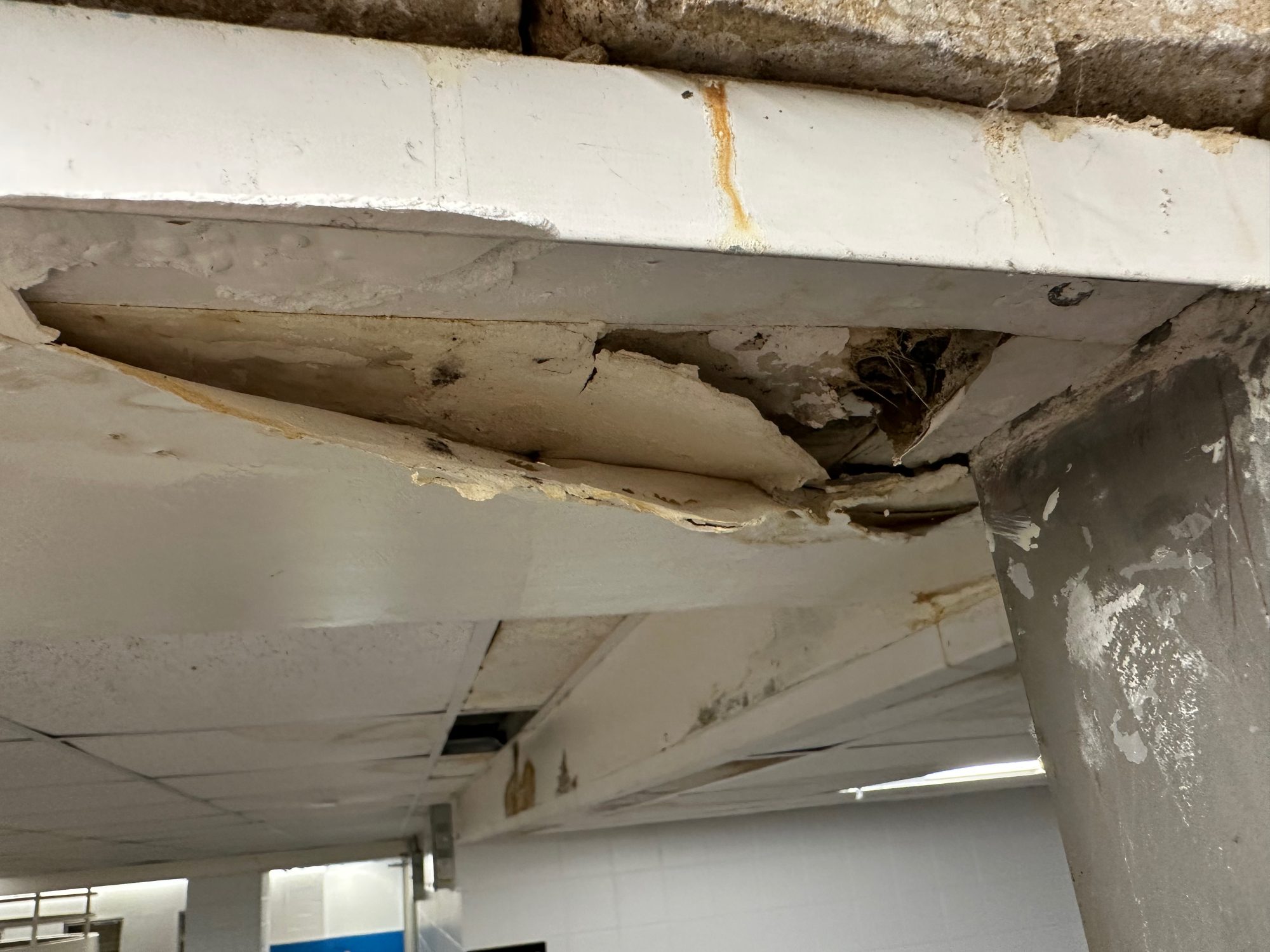
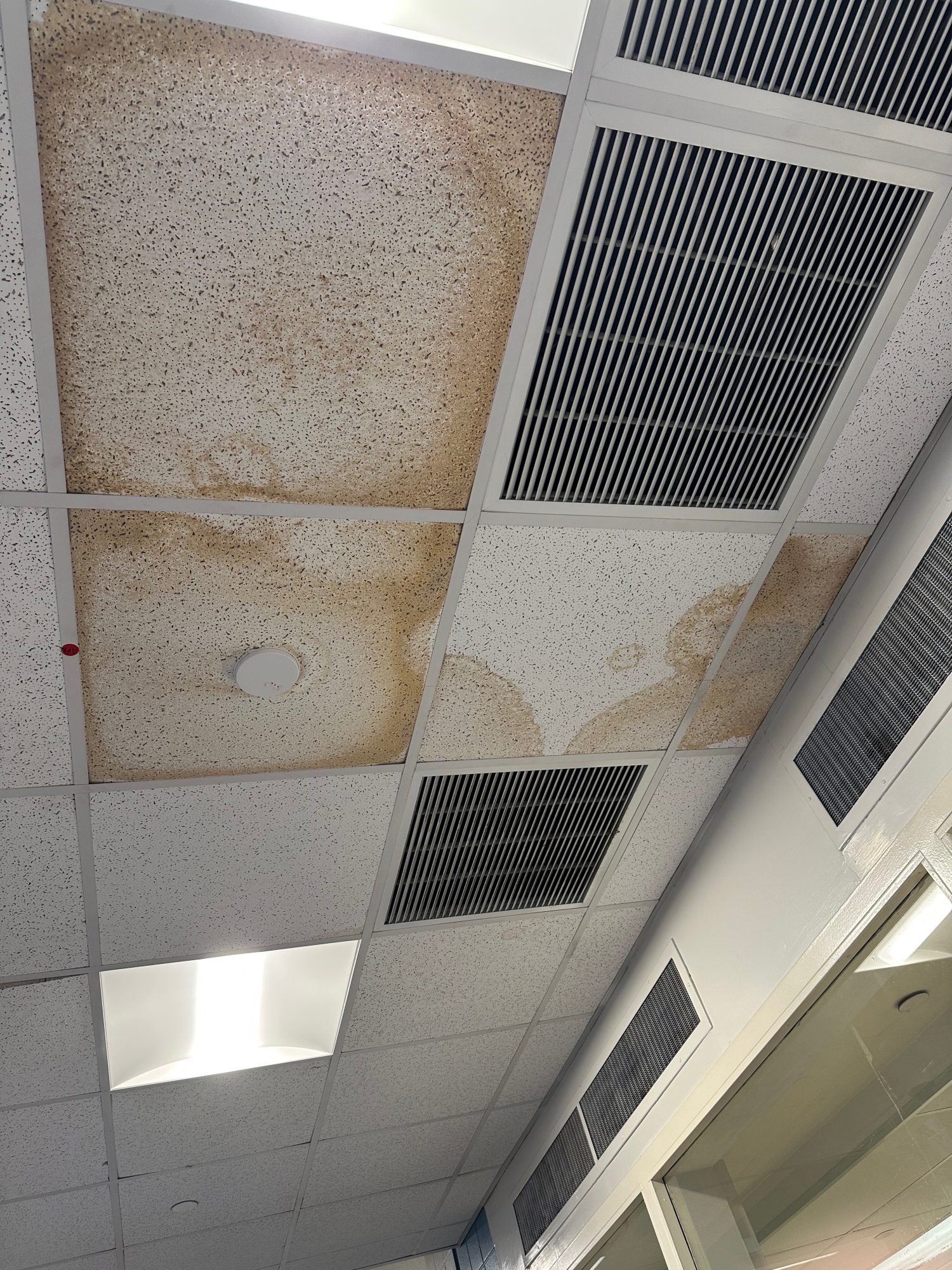
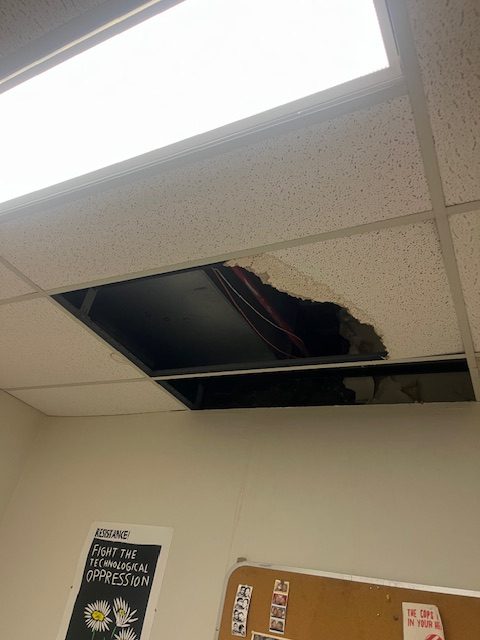
Members held blown-up photos of the damage–a “gallery of horrors,” Harris said–that CUNY has allowed to persist throughout its 300 aging buildings, while others spoke about the unsafe and unhealthy conditions. Worse, members shared that their ongoing distress calls about these conditions, and how they impede students’ educations, are going ignored by CUNY management.
Health and Safety issues at City Tech
Health and Safety issues at City Tech
Health and Safety issues at City Tech
Health and Safety issues at City Tech
Health and Safety issues at City Tech
Health and Safety issues at City Tech
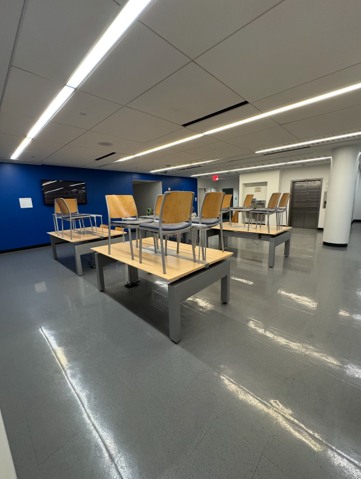
Health and Safety issues at Medgar Evers College
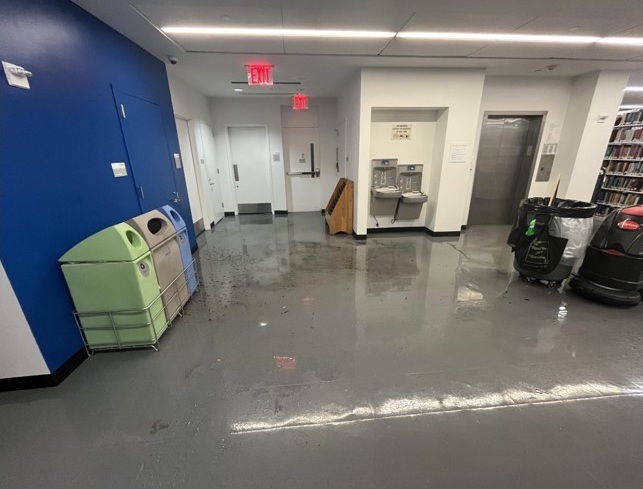
Health and Safety issues at Medgar Evers College
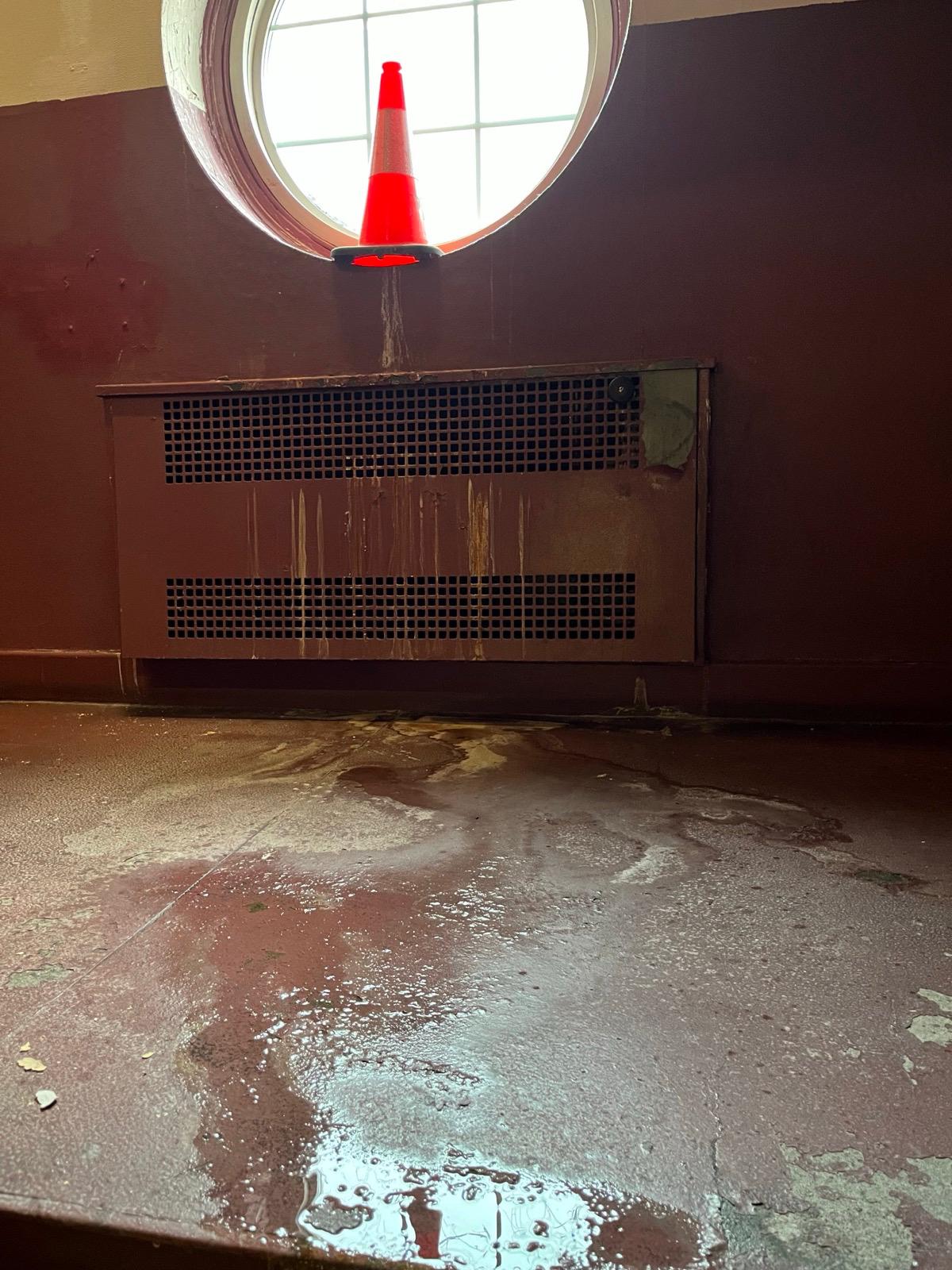
Health and Safety issues at Brooklyn College
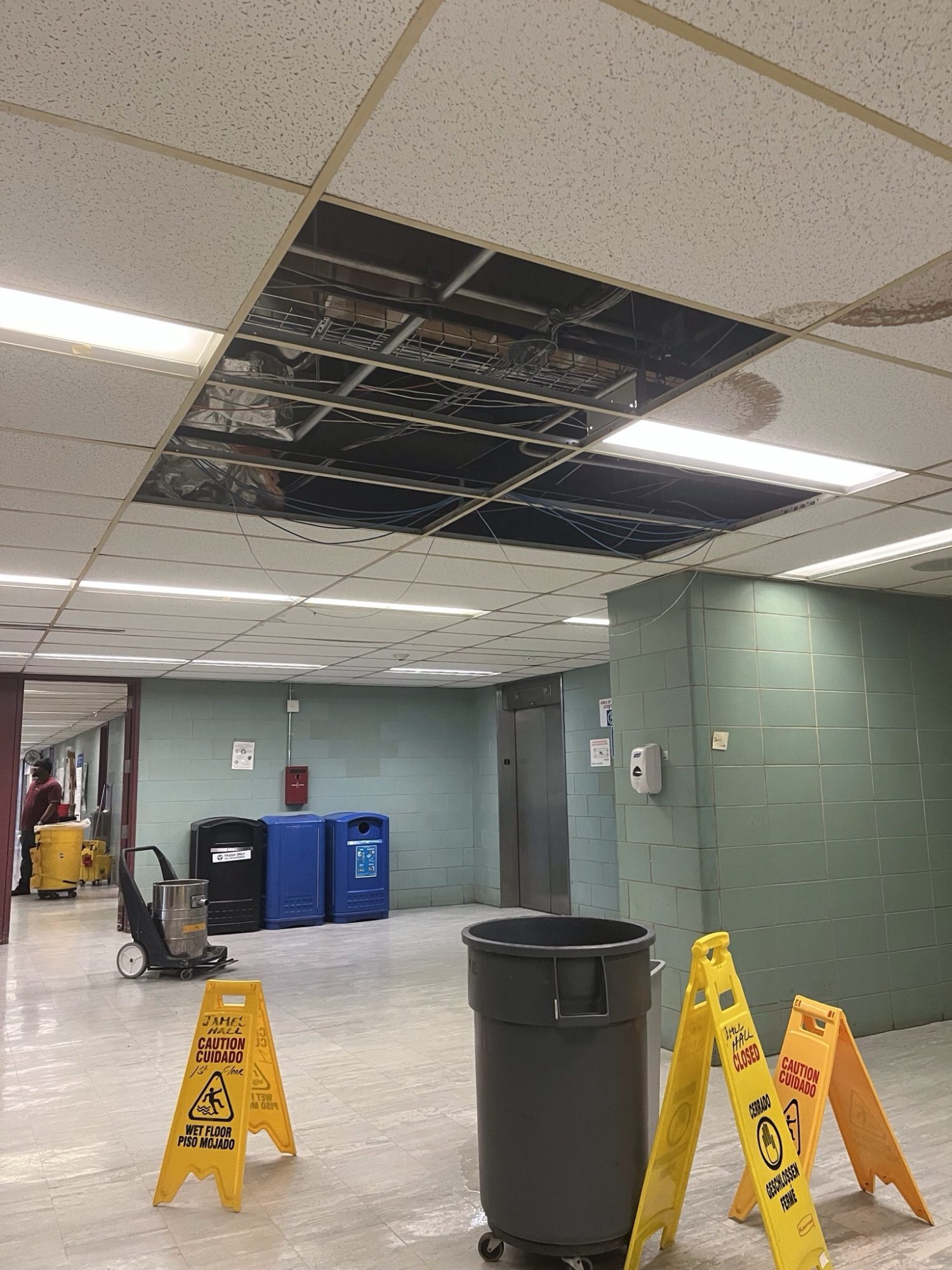
Health and Safety issues at Brooklyn College
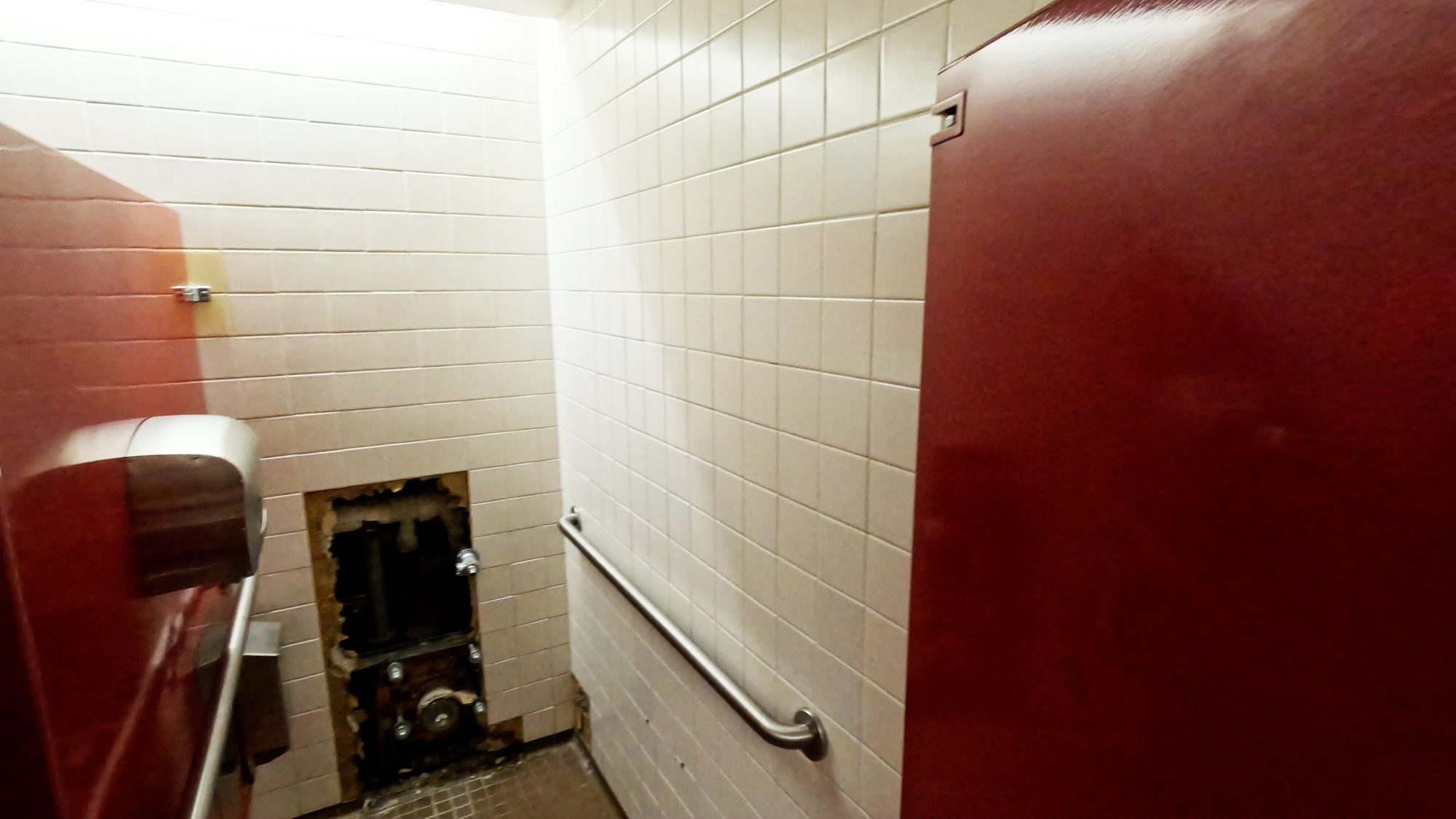
Health and Safety issues at Kingsborough CC
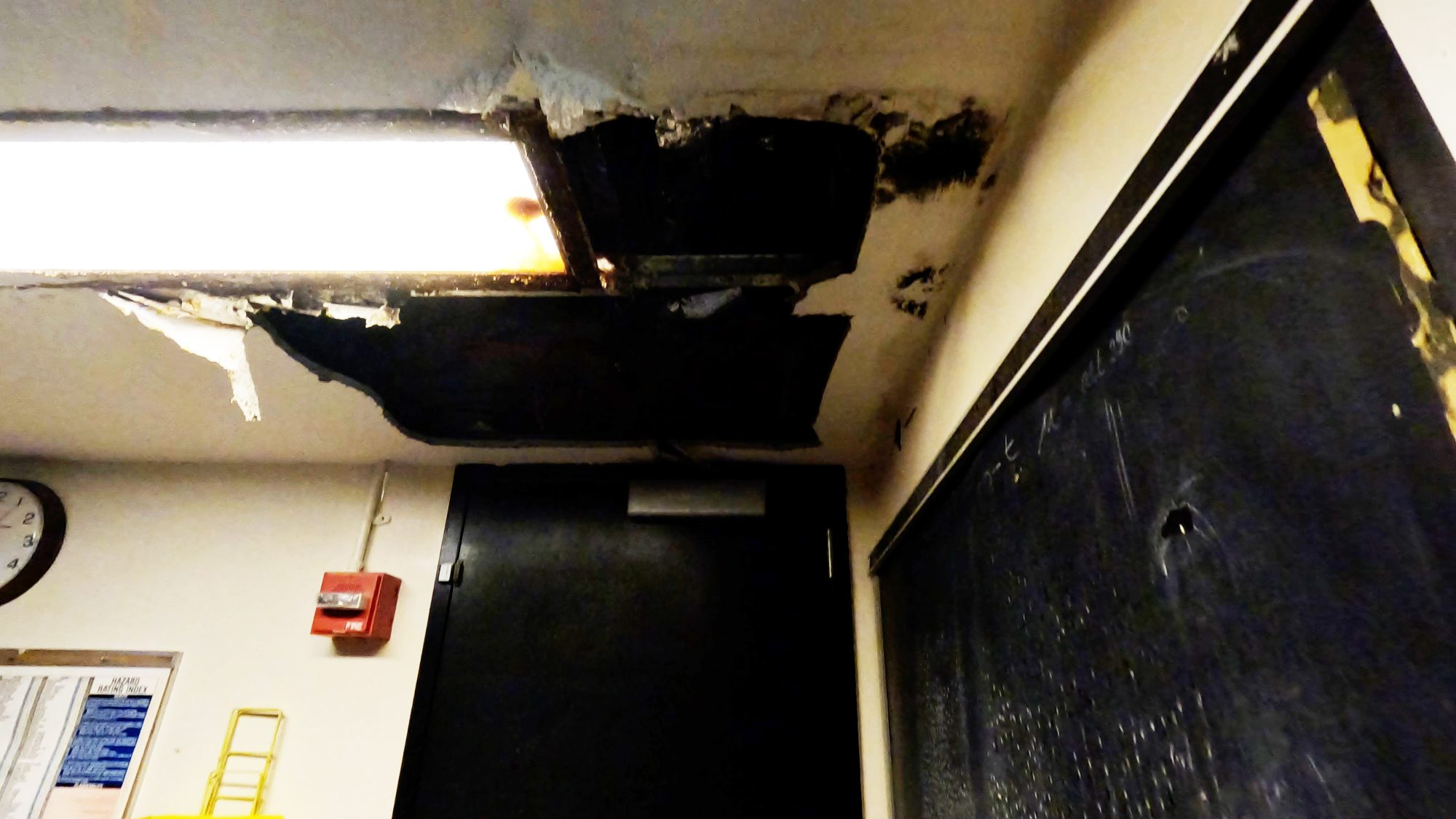
Health and Safety issues at Kingsborough CC
PSC President James Davis, a professor of English and former chapter chair at Brooklyn College, noted that this is part of a wider problem at CUNY, whose administration recently admitted that only 33% of its buildings are in a state of so-called good repair. “The PSC does not accept that,” he said. Arturo Enamorado, a lecturer in behavioral sciences at Kingsborough Community College, said “I’m no math professor, but that sounds like failure to me.”
The Borough Hall action was designed to send a message to the CUNY administration that it must take threats to health and safety seriously, invest in capital improvements, prioritize repairs, and work with the city and state for more investment into CUNY’s capital budget as well as its operational budget. PSC members have a legal and contractual right to a safe and healthy workplace, and the university cannot remain a vehicle for upward mobility for New Yorkers without drastic infrastructural improvements.
At his campus, Enamorado said, there is not enough electricity to power all the labs and that many referred to the college as “KC Crumble.” Scott Cally, the PSC chapter chair at KCC, pointed to a photo of a handicapped accessible bathroom stall with a hole where a toilet should be. “Oh yeah, that’s accessible,” he said sarcastically.
Cally also pointed to a photo of a leaking ceiling in a KCC chemistry lab, noting that there’s been a sign warning passersby of falling ceiling debris there for three or four years.
At City Tech, where mold problems have persisted for years, members and students have reported allergic reactions. Members have called out sick, chapter activists said, and the PSC chapter has reported that the administration is in denial.
City Councilmember Lincoln Restler, who has been pushing City Tech to address the problems since he toured the moldy offices with PSC members two years ago, said he took his complaints to the college’s leadership. “I got crickets,” he said. Restler then took his case to CUNY Central. “I got bureaucracy,” he said.
Julie Hegner, an alum and an assistant registrar at Brooklyn College, noted that HVAC problems in her building, West Quad, have been historically bad. During the recent heat spell in April, the temperature in her office reached 86 degrees and she could not open her windows. Without adequate cooling, the servers overheated, forcing staff to work remotely for days, Hegner said.
That wasn’t all. Environmental decay and underfunded maintenance has allowed for all kinds of insect and rodent infestations. One member had to go to the hospital to treat their insect bites. And Hegner has had four squirrels in her office (or the same squirrel has gotten in four times). “We suffer through it,” she said.
Yana Kuchirko, an assistant professor of psychology at BC, said that environmental problems have gotten so bad that faculty, who otherwise love their jobs, hate coming to the campus. In one instance, a pipe broke and spewed scalding hot water over the floor near her workspace. Because maintenance workers couldn’t respond fast enough, faculty and staff had to drop what they were doing and mop up the mess. “We hear this across the college,” Kuchirko said. “People don’t want to come to campus.”
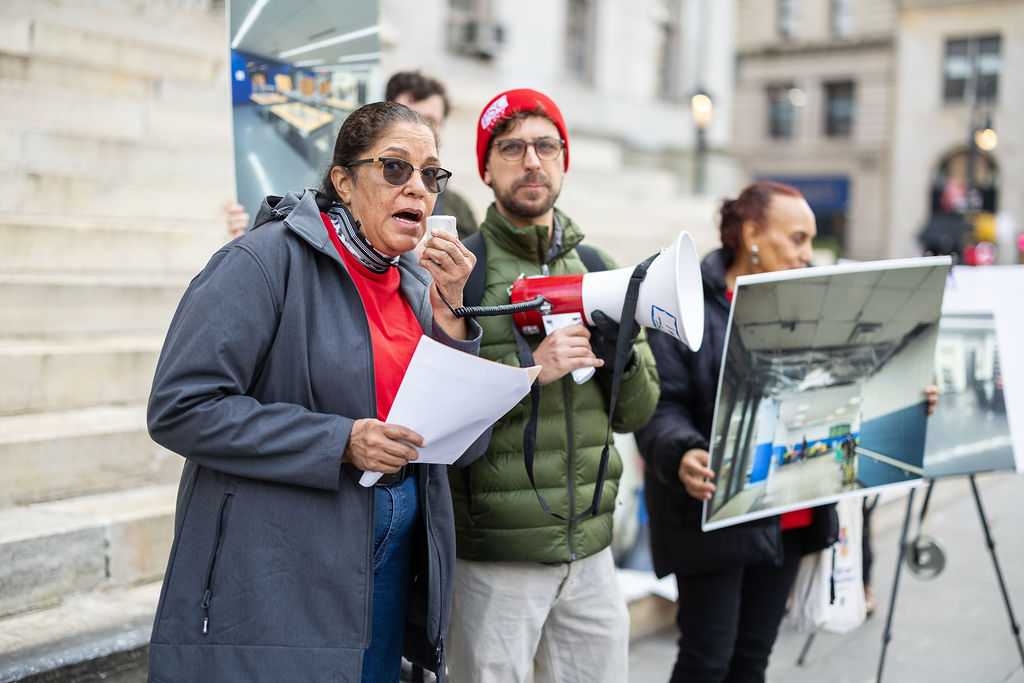
Laura Stephens spoke about the constant problems at Medgar Evers College (Credit: Paul Frangipane).
Laura Stephens, an adjunct lecturer in psychology at Medgar Evers College, decried the persistent leaks, mold and flooding at her campuses, as they are stark examples of disinvestment and inequality. “They represent a profound disrespect to the people we serve,” she said, adding of the lack of action by management, “Our humanity matters less than their budget priorities.”
Beverly Lashley, the PSC chapter chair at MEC, said that several of the offices on her campus were 25 degrees Fahrenheit last winter and that air conditioning outages in the summer turned offices into “sweatshop” conditions. She said, “We will not tolerate this indecency and shame.”
The event is part of ongoing activism regarding health and safety at these campuses. In April members testified at a CUNY Board of Trustees hearing about these problems. Megan Behrent, an associate professor of English at City Tech who spoke at the demonstration, recently wrote a Clarion op-ed based on her testimony.
New York City and State each provide half of the capital funding for the community colleges, while the State provides capital investment for the senior colleges. CUNY’s latest budget request of the state and city calls for $400 million per year for Senior Colleges and $200 million per year for Community Colleges to bring the state of good repair rate up to 55% by 2030
“We’ll work with administrators to secure the funding to fix our facilities,” Davis said. “But this union will not allow management to get away with slipshod repairs and understaffing of maintenance. We will not tolerate their tactics of deferring, denying, and delaying while our members and students are exposed to threats to their health and safety.”
Brooklyn Borough President Antonio Reynoso said that there was plenty of funding in the wealthy state of New York to improve CUNY’s infrastructure. “What we don’t have is political will,” he said. “The money is there.”